Quick Summary
The possibility of life on Mars in previous eras
About This Program
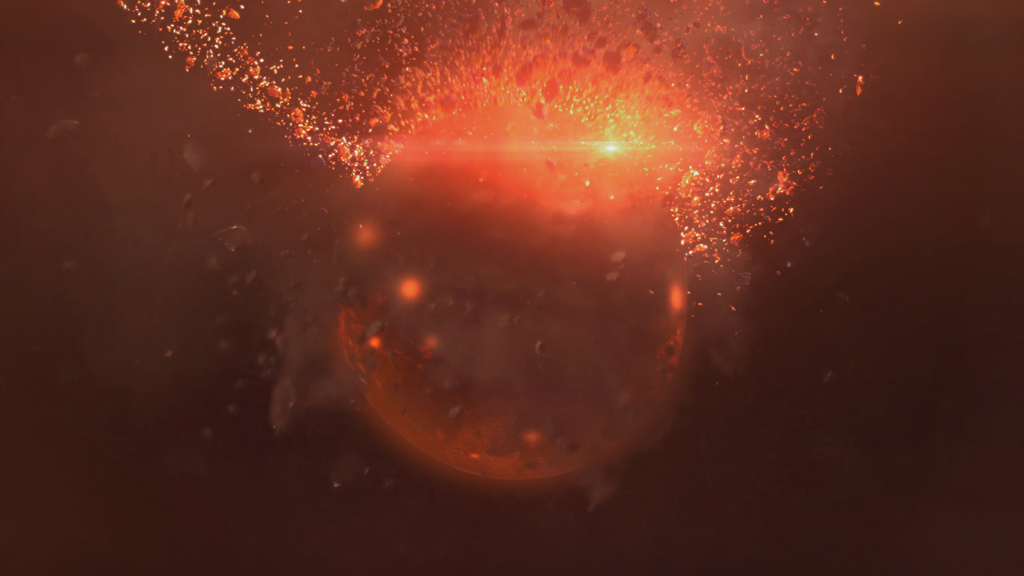
Once there was life on Mars - but scientists believe a series of devastating mass extinctions transformed a watery planet into a desert
More information
Life & Death on the Red Planet is a one‑hour documentary episode that aired on the BBC’s Horizon series last month. Hosted by planetary geologist Dr Emma Collins, with interviews from NASA’s Jim Green and ESA’s Claire Dupont, it sets out to answer the tantalising question: was there ever life on Mars? The episode walks you through sedimentary‑rock data from Curiosity and Perseverance, then sketches a timeline of wet epochs, volcanic upheavals and a cascade of mass‑extinction events that turned a once‑lakeside world into a barren desert. 3‑D visualisations show ancient river valleys vanishing under dust, but it stops short of claiming definitive proof of microbes. Honestly, it’s not a sci‑fi thriller – it’s a proper science show, and that’s its charm. The graphics are surprisingly good for a TV budget, recalling early Cosmos, and the interviews feel more like a chat over a cuppa than a press release. The pacing drags when the narration gets overly cautious, and some CGI looks a touch ropy. Still, the episode makes a million‑year‑old mystery feel immediate without pretending to have all the answers. Rated PG for occasional intense imagery – think dust storms that could strip a car’s paint – and a few moments of graphic scientific illustration that might be unsettling for young viewers. First terrestrial broadcast on BBC One, it’s part of a larger Horizon season revisiting classic planetary questions. No major content warnings beyond the usual scientific jargon, but patience helps you get through the slower sections.
How the Universe Works broadcasts on Discovery Science at 3:00pm, Thursday, 11 December 2025.